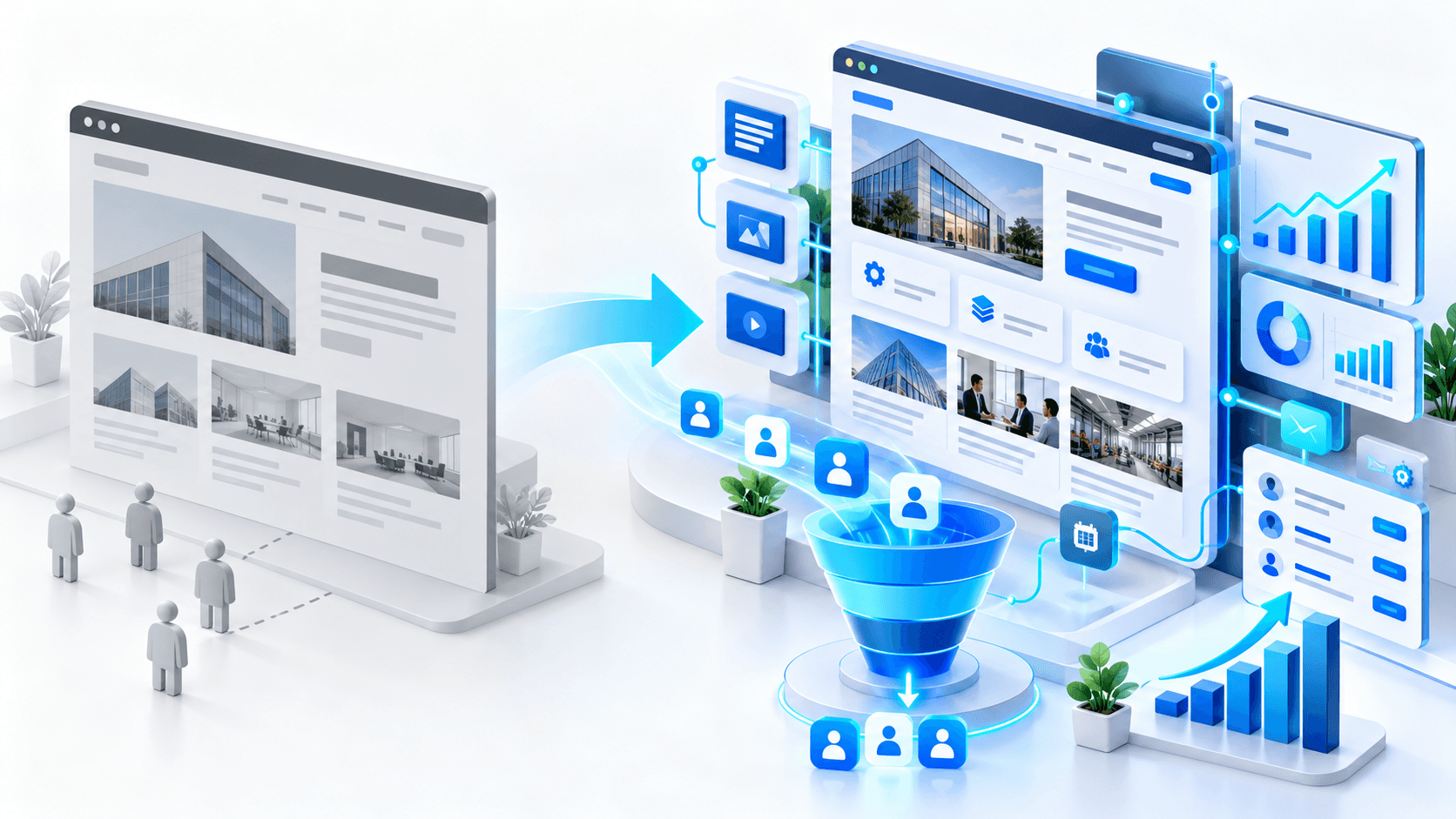
Website for Cybersecurity Companies: How to Generate Enterprise Leads from the US and Europe


Cybersecurity companies face a unique challenge online. Their services are highly technical, the sales cycle is long, and buyers are naturally skeptical. A website that simply looks professional is not enough. It must communicate expertise, reduce perceived risk, and guide decision-makers toward a conversation.
In our experience, many cybersecurity firms invest heavily in content, conferences, and outbound sales, but their websites fail to convert interested visitors into qualified enterprise leads.
This article explains how to structure a cybersecurity website so that it builds trust with security-conscious buyers and supports lead generation in the US and European markets.
Why Cybersecurity Websites Require a Different Approach
Buying cybersecurity services is a high-stakes decision. Prospects are often CISOs, CTOs, compliance officers, and procurement teams. They are evaluating not only your technical capability but also your credibility, maturity, and ability to protect sensitive systems.
A generic corporate website rarely answers the questions these buyers care about:
- Can this company be trusted with our infrastructure?
- Do they understand our industry and regulatory environment?
- Have they solved similar problems before?
- What outcomes can we realistically expect?
If your website does not address these concerns quickly, potential clients move on to a competitor.
The Core Goal: Build Trust Before the First Call
Enterprise buyers rarely convert on impulse. Your website should reduce uncertainty and provide enough evidence to justify a discovery call.
The most effective cybersecurity websites accomplish three things:
- Explain complex services in business language
- Demonstrate authority and relevant experience
- Make it easy to request a consultation or assessment
Homepage Structure That Converts Security Buyers
1. Clear Positioning
Your headline should immediately explain who you help and what result you deliver.
Example: We help mid-market and enterprise companies identify security risks and meet compliance requirements.
2. Trust Signals
Security buyers look for proof. Include:
- Industry certifications and partnerships
- Client logos (when permitted)
- Testimonials and case studies
- Compliance expertise (ISO 27001, SOC 2, NIS2, HIPAA, GDPR)
3. Service Breakdown
Clearly explain your core offerings, such as:
- Penetration testing
- Security audits
- Managed detection and response
- Compliance consulting
- Incident response
4. Industry-Specific Expertise
Highlight sectors you understand, such as finance, healthcare, SaaS, and manufacturing.
5. Strong CTA
Offer a logical next step:
- Request a Security Consultation
- Book a Discovery Call
- Schedule a Security Assessment
Messaging Tips for Technical Services
One of the most common mistakes is using highly technical language without explaining business impact.
Instead of focusing only on tools and methodologies, explain outcomes:
- Reduce the risk of breaches
- Pass compliance audits faster
- Strengthen client and investor confidence
- Improve security visibility
Content That Supports Enterprise Sales
Cybersecurity buyers conduct extensive research before contacting vendors. Useful content can position your company as a trusted advisor.
Examples of high-performing content include:
- Compliance checklists
- Security assessment guides
- Industry-specific threat insights
- Case studies
- Comparison articles
Offering a downloadable checklist can also generate qualified leads.
Common Website Mistakes in Cybersecurity
- Vague positioning and generic messaging
- No evidence of certifications or experience
- Overly technical copy with little business context
- Weak calls-to-action
- No case studies or proof of outcomes
- Slow, outdated website performance
Real-World Scenario
We often see cybersecurity firms with strong technical teams but websites that do not communicate credibility effectively. After improving messaging, adding trust signals, and restructuring service pages, the same traffic can produce significantly more qualified conversations.
Cybersecurity Website Checklist
- Clear positioning focused on business outcomes
- Visible certifications and trust indicators
- Detailed service pages
- Industry-specific messaging
- Case studies and testimonials
- Strong calls-to-action
- Fast, secure, mobile-friendly website
FAQ
What should a cybersecurity company website include?
Clear positioning, trust signals, service pages, compliance expertise, case studies, and strong calls-to-action.
How can a cybersecurity website generate enterprise leads?
By building credibility, explaining business outcomes, and guiding visitors toward consultations or assessments.
Which CTA works best for cybersecurity services?
Security Consultation, Discovery Call, or Security Assessment requests typically align well with enterprise buying behavior.
Conclusion
A cybersecurity website should do more than describe services. It should reduce risk in the buyer’s mind, demonstrate authority, and make the next step obvious.
If your cybersecurity website receives traffic but does not generate qualified leads, a strategic redesign can make a significant difference.
If you are planning a new website or redesign, our team can help structure a high-converting website tailored to cybersecurity companies targeting the US and European markets.
You may also want to read our article about how to choose a web design agency for a B2B company.