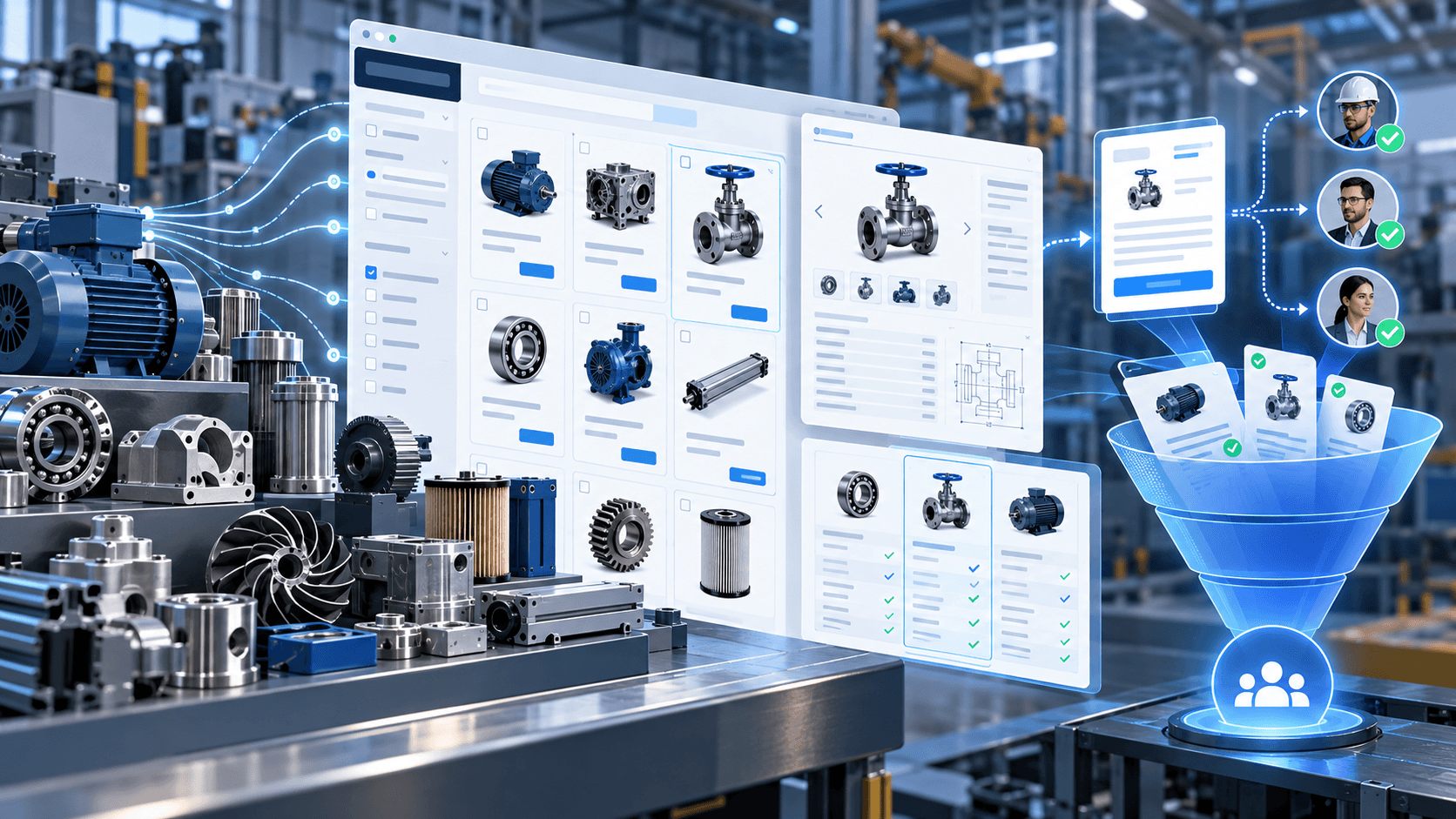
Website for Industrial Manufacturers: Turning Technical Website Traffic into Sales Opportunities

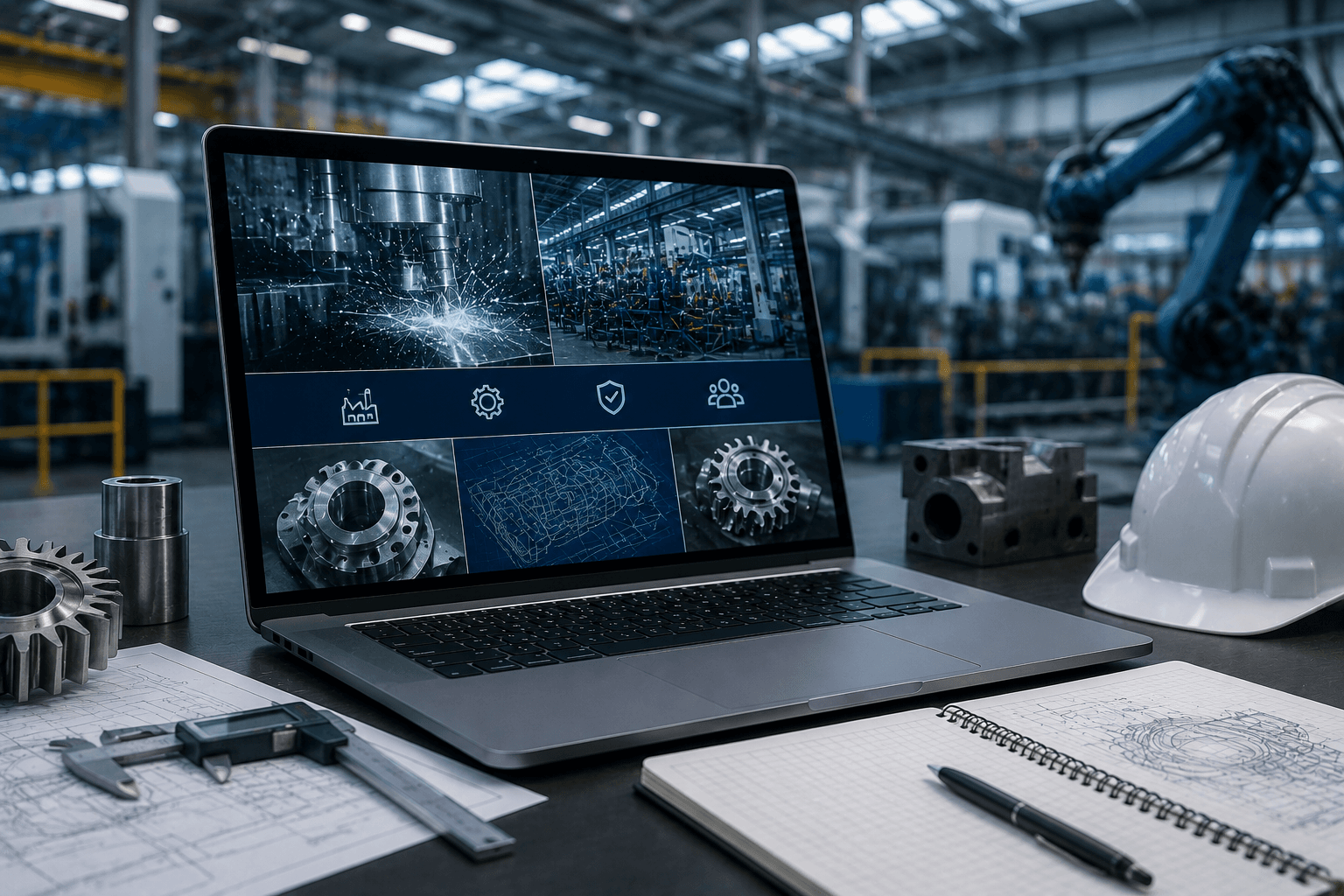
Many industrial manufacturing companies invest heavily in trade shows, distributors, outbound sales, and technical documentation, yet their websites remain outdated lead-generation tools.
In many cases, the website functions more like a digital brochure than a sales asset. Engineers and procurement teams may visit the site, review technical information, and leave without contacting the company.
This creates a major missed opportunity because industrial buyers increasingly research suppliers online before initiating conversations.
A properly structured manufacturing website can help convert technical traffic into qualified B2B sales opportunities.
Why Industrial Manufacturing Websites Often Underperform
Industrial companies usually focus heavily on specifications, catalogs, and technical capabilities. While this information matters, it is often presented without a clear conversion strategy.
Common problems include:
- unclear positioning;
- poor navigation;
- outdated design;
- weak calls-to-action;
- no differentiation from competitors.
As a result, visitors may understand what you manufacture but still fail to understand why they should choose your company.
How Industrial Buyers Evaluate Suppliers Online
Modern buyers often conduct extensive online research before contacting manufacturers.
Decision-makers may include:
- procurement managers;
- operations directors;
- engineers;
- plant managers;
- executive leadership.
These visitors want to evaluate:
- manufacturing capabilities;
- industry experience;
- certifications;
- delivery reliability;
- technical expertise;
- production capacity.
Website Structure That Generates Industrial Leads
1. Clear Positioning
Your homepage should immediately explain:
- what you manufacture;
- which industries you serve;
- what differentiates your company.
Example: Precision manufacturing solutions for aerospace and industrial automation companies across Europe and North America.
2. Industry-Specific Pages
Dedicated pages for industries improve both SEO and conversion.
Examples:
- Manufacturing for Aerospace
- Manufacturing for Automotive
- Manufacturing for Medical Equipment
- Industrial Automation Components
3. Technical Resources
Industrial buyers often need:
- technical specifications;
- datasheets;
- CAD files;
- compliance documentation;
- material information.
Providing these resources builds trust and supports the buying process.
4. Certifications and Trust Signals
Display:
- ISO certifications;
- quality standards;
- production capabilities;
- client industries;
- years of experience.
5. Strong CTA Structure
Effective CTA examples include:
- Request a Quote
- Talk to an Engineer
- Discuss Your Manufacturing Requirements
- Request Technical Consultation
Why Technical SEO Matters for Manufacturers
Industrial companies often underestimate SEO potential.
Many technical search queries have:
- lower competition;
- high commercial intent;
- strong B2B value.
Examples include:
- precision CNC manufacturing supplier;
- industrial automation components manufacturer;
- custom aluminum machining services.
Targeted content around these searches can generate highly qualified traffic.
Common Manufacturing Website Mistakes
- generic messaging;
- outdated design;
- missing technical resources;
- no clear differentiation;
- weak mobile experience;
- no conversion-focused structure.
Real-World Scenario
We frequently see manufacturing companies generating traffic from technical searches but receiving few inquiries. After improving industry positioning, technical resource organization, and CTA visibility, these same websites often produce significantly more qualified B2B leads.
Industrial Manufacturing Website Checklist
- Clear positioning and differentiation;
- Industry-specific landing pages;
- Technical documentation access;
- Visible certifications;
- Strong quote request CTA;
- SEO-focused technical content;
- Fast mobile-friendly design.
FAQ
Why do industrial manufacturers need a modern website?
Buyers increasingly research suppliers online before making contact, and a strong website improves trust and lead generation.
What content works best for manufacturing websites?
Technical resources, industry-specific pages, certifications, and case studies usually perform best.
What CTA works best for industrial companies?
Quote requests and engineering consultations typically convert best for B2B manufacturing websites.
Conclusion
An industrial manufacturing website should do more than display products and specifications. It should position your company as a trusted production partner and help convert technical traffic into real business opportunities.
If your manufacturing website receives traffic but generates few qualified inquiries, improving website structure, positioning, and conversion strategy can significantly improve results.
Our team helps industrial manufacturers create high-converting websites tailored to competitive US and European B2B markets.
You may also want to read our article about website for HR & recruitment agencies: how to attract higher-value corporate clients.